
Residential Recovery for Seniors Act
RRSA would establish a targeted, evidence-based Medicare benefit for residential addiction treatment programs meeting nationally recognized standards, filling a long-standing gap in coverage while strengthening oversight and accountability
RRSA One Pager Take ActionSubstance use disorder (SUD) among older adults, who comprise the majority of Medicare beneficiaries, is a significant public health concern. Over six million Medicare patients had a SUD in 2023,1 but less than 25% received treatment.2 This represents both a serious public health issue and a systemic inefficiency in how Medicare covers SUD care.
When the right level of residential care is unavailable, patients are more likely to use emergency or inpatient services, representing the most expensive settings in Medicare.
The Residential Recovery for Seniors Act (RRSA)
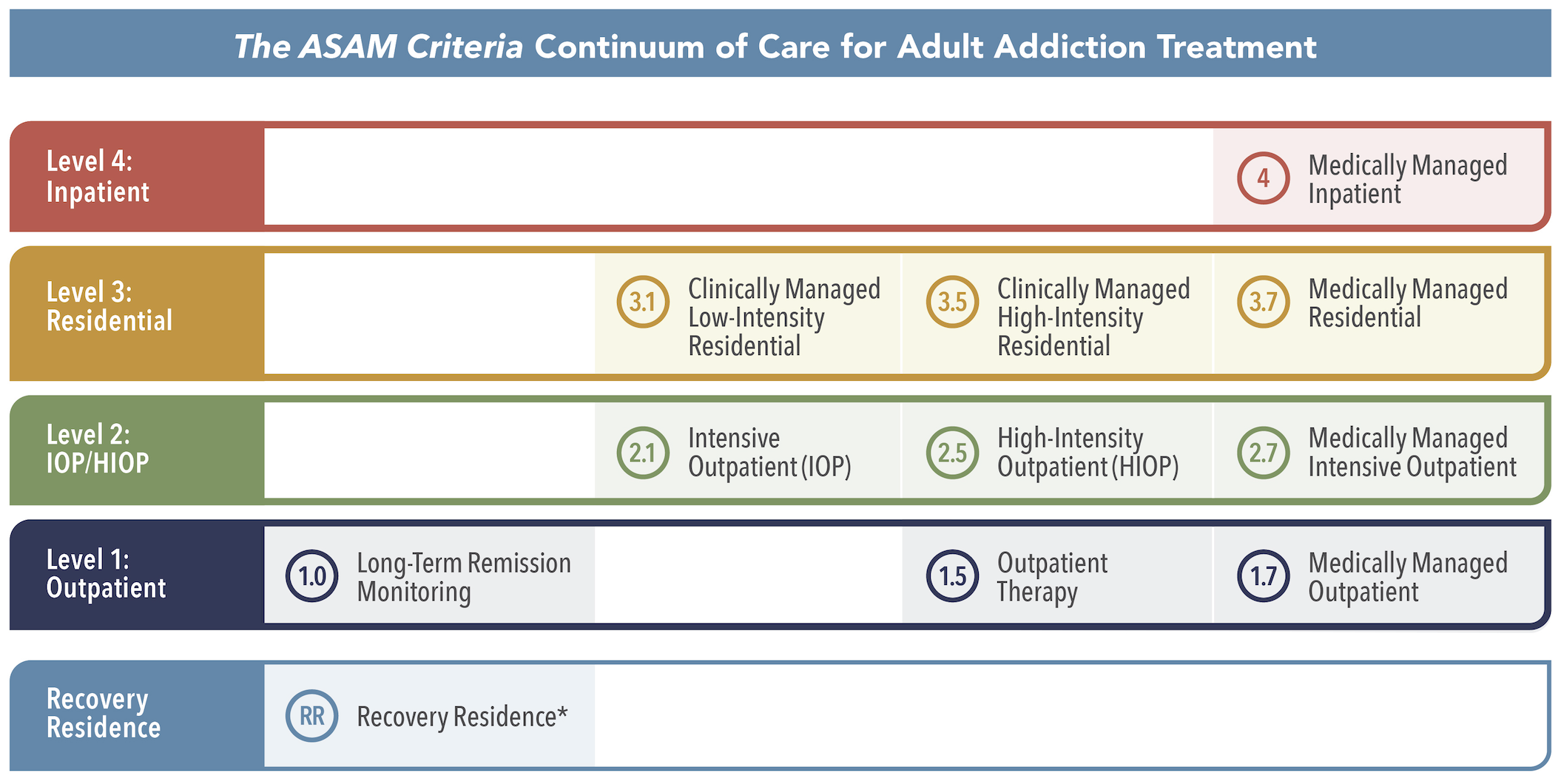
This bill would modernize Medicare by creating a Medicare Part A benefit for residential addiction treatment programs meeting nationally recognized standards. The benefit includes defined levels of care, categorized as:
Level 3.1: Clinically Managed Low-intensity Residential Treatment
Level 3.5: Clinically Managed High-intensity Residential Treatment
Level 3.7: Medically Managed Residential Treatment
These provisions help establish guardrails to ensure that services are used when clinically appropriate.
The legislation also establishes a prospective payment system for these programs. Further, tying Medicare reimbursement to recognized industry standards helps promote the delivery of high-quality, patient-centered care for seniors with SUD while advancing accountability in the use of Medicare funds.
Read the bill textWhy this Matters for Medicare Spending
Without coverage for residential care (Level 3), patients may be undertreated in intensive outpatient settings (Level 2) or traditional outpatient settings (Level 1). Undertreatment can lead to worsening of their SUD, potentially leading to hospitalization (Level 4).
For some seniors, it may be medically necessary to receive treatment in a 24-hour, non-hospital-based residential care facility. Yet this level of care has been excluded from Medicare coverage throughout the program’s 60-year history.
Gaps in Treatment Coverage
The ASAM Criteria, the nation’s most widely used set of standards for substance use disorder (SUD) care, outlines four levels of care for addiction treatment. These levels range from low intensive outpatient treatment (Level 1) to more intensive, hospital-based inpatient treatment (Level 4). Medicare currently covers these settings, along with intensive outpatient programs (Level 2).
This leaves a major coverage gap for non-hospital-based residential treatment (Level 3). These programs offer organized treatment services that feature a planned and structured regimen of care in a 24-hour residential setting, which may be deemed clinically appropriate for some patients.
RRSA Addresses this Gap with Clear Guardrails and Important Benefits
Strengthens program integrity in the non-hospital-based residential SUD treatment sector and safeguards taxpayer dollars
RRSA conditions Medicare coverage for residential SUD treatment on the use of evidence-based, SUD-specific placement criteria developed by a nationally recognized nonprofit medical association, with initial and ongoing medical necessity determinations required for continued stay. These requirements create a standardized framework to ensure patients are placed in, and remain in, the appropriate level of care, directly addressing vulnerabilities in residential treatment, including unnecessary lengths of stay. The bill also requires program accreditation/certification, enrollment in Medicare, and maintenance of clinical records sufficient to evaluate treatment intensity and necessity. Paired with a prospective payment system informed by cost reporting, these provisions further enable oversight by tying payment to defined service categories and resource use.
The legislation does not simply expand coverage; it ensures oversight by aligning payment, coverage, and clinical decision-making with evidence-based standards.
Saves lives and averts unnecessary costs
One in three Medicare patients with SUD cite financial barriers as a reason for not seeking treatment.3 Strengthening coverage for all levels of SUD treatment would help encourage patients to receive appropriate care. This can help avert costly hospitalizations and emergency care stays that may occur when SUD goes untreated.4
Helps patients and communities thrive
Access to compassionate, 24-hour residential care that provides a stable living environment, expert clinical care, and skill-building resources can help set patients up for long-term recovery and success.
Advocates are Calling for RRSA
The Residential Recovery for Seniors Act is endorsed by the American Society of Addiction Medicine, the American Association of Psychiatric Pharmacists, the Addiction Professionals of North Carolina, Faces & Voices of Recovery, Gaudenzia, Hazelden Betty Ford Foundation, HIV Alliance, Illinois Association for Behavioral Health, the International Nurses Society on Addictions (IntNSA) USA Chapter, Legal Action Center, Mental Health Association of Maryland, National Association of Addiction Treatment Providers, National Council for Mental Wellbeing, NAADAC, the Association for Addiction Professionals, New Jersey Association of Mental Health and Addictions Agencies, Inc., Powell Recovery Center, Inc., Pyramid Healthcare, Shatterproof, Smart Recovery, the Kennedy Forum, and Treatment Communities of America.
Organizations wishing to add their name to the endorsement list should contact Kelly Corredor at kcorredor@ASAM.org.
Data
1 Mark TL, et al. The Quality Of Opioid Use Disorder Treatment In Medicare Is Low And Lags Behind Medicaid. Health Affairs. Sept 2 2025;44(9):1086-1091. doi: 10.1377/hlthaff.2025.00207
2 Substance Abuse and Mental Health Services Administration (SAMHSA)'s Data Analysis System (DAS). Cross-tab analysis of the SAMHSA 2023 National Survey on Drug Use and Health (SUTRTPY x UD5ILALANY x IRMEDICR).
3 Parish WJ, Mark TL, Weber EM, Steinberg DG. Substance Use Disorders Among Medicare Beneficiaries: Prevalence, Mental and Physical Comorbidities, and Treatment Barriers. Am J Prev Med. 2022;63(2):225-232. doi:10.1016/j.amepre.2022.01.021
4 RTI International. The Cost of Adding Substance Use Disorder Services and Professionals to Medicare. Legal Action Center. Aug 2022. https://www.lac.org/assets/files/LAC_Medicare_Budget_Impact_Report_08_08_2022-submitted.pdf