
Blog
Student Spotlight: Grace Heiting on Advocacy, Education, and Mentorship in Addiction Medicine
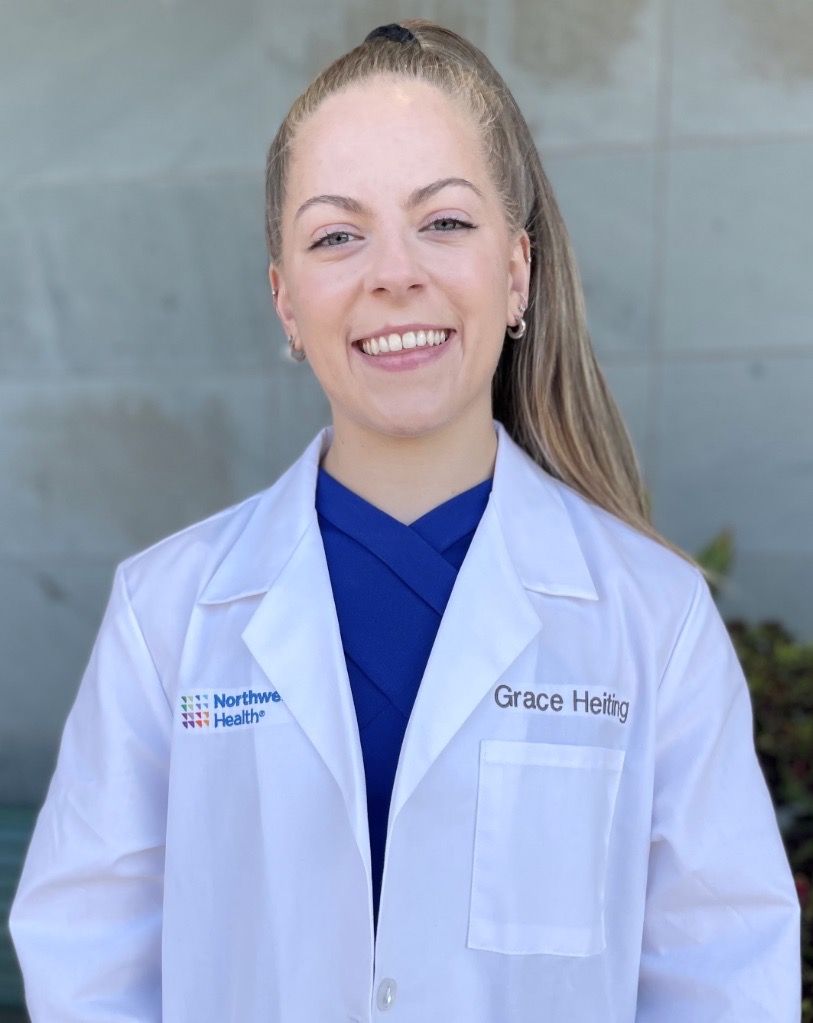
Grace Heiting
An overdose response training on day one of medical school kickstarted ASAM student member Grace Heiting’s interest in the field of addiction medicine. Now a third-year medical student at the Donald and Barbara Zucker School of Medicine at Hofstra/Northwell, Grace leads these trainings herself, working alongside medical students and local community members to help them recognize the signs of overdose and learn how to administer naloxone.
In this Q&A, Grace shares how that first-day training piqued her interest in addiction medicine, why medical student voices matter in advocacy and how practicing clinicians can invest in the next generation of addiction treatment professionals.
Q: Your interest in addiction medicine began early in medical school. What sparked it?
A: We spent our very first day of medical school with Dr. Sandeep Kapoor from Hofstra/Northwell, who runs the Emergency Medicine Addiction Services. The program hosted an addiction medicine session and naloxone training for incoming medical students, led by upper class students and Addiction Services faculty, and it was incredible. I learned so much, and I felt like it set the stage for how we would interact with patients in the future. I later helped organize this training for incoming classes, which was an incredibly rewarding experience. From there, I became more involved in similar opioid overdose response trainings and in distributing naloxone kits to members of the Long Island community.
During that day one training, we were also fortunate to bring in a speaker with lived experience with substance use. We had a candid Q&A and talked about their experience with healthcare and their recovery journey. It was inspirational, but also so down to earth. What’s so special about this field and this work is that it affects everybody around us. There were so many people in the room who were personally touched by this at some point in their lives. I still remember that patient and how open they were about their experience.
Q: What is it about this work that keeps you coming back to volunteer with naloxone trainings?
A: The opportunities I’ve had to run educational events and distribute naloxone kits to people in the community have been impactful. These events bring together people who might have a child in college and want a naloxone kit on hand, or who know somebody who uses substances and want to learn about responding to an overdose. Addiction medicine matters to everybody around us. Knowing how widespread addiction is and then seeing how the community can come together is so powerful. I get a little choked up whenever I go to those events and see people who are excited to learn, ask amazing questions and want to help. It’s the most rewarding feeling.
Q: You joined ASAM on Capitol Hill for the Addiction Medicine Advocacy Conference (AMAC) in 2025. Why should students get involved in advocacy?
A: One of the members of our New York team at AMAC said, “If you want to see change that’s going to be there when you are a physician, you need to start working on it now.” When we talk with staffers on Capitol Hill, we can share the changes we need to succeed as future physicians. To see change, you have to advocate for it today.
Q: What has been the greatest value of your ASAM student membership?
A: Definitely the networking and the mentors I’ve gained. At AMAC, I was able to connect with physicians and passionate people from our state, and I still see them year after year. I’ve received letters of recommendation from them and tips on how to push for change at my own school. I don’t think I could have made these connections if I hadn’t joined ASAM. Plus, I know that at the next conference I attend, I’ll see friendly, familiar faces who want me to succeed in medicine, as an advocate and as a person.
Q: What role do you see addiction medicine playing in your future career?
A: I’ve been an athlete my entire life, so I love sports medicine, and I’ve even been leaning toward a surgical specialty. Still, I envision addiction medicine being a large part of my career. I’ve seen firsthand how integrated addiction medicine is in every field and how interdisciplinary this issue is. Whether I’m working with patients with substance use disorders or prescribing opioids and other controlled substances in my future career, I think addiction medicine is always going to be there.
Q: What can practicing addiction medicine clinicians do to support students who are interested in the field?
A: Promoting opportunities for students to observe, and showing excitement when students engage, is really impactful for us. Regardless of the specialty, I always have so much fun joining a physician or a treatment team that wants to teach and share their passion. It really resonates, and I’ve even heard of students changing their interests or specialties based on who they’re shadowing. They’ll come back and say, “That person loved the field so much that it rubbed off on me.” So be excited, invite students in, and let them participate and talk to patients. It means a lot.