Blog
Overcoming Access Barriers to MOUD
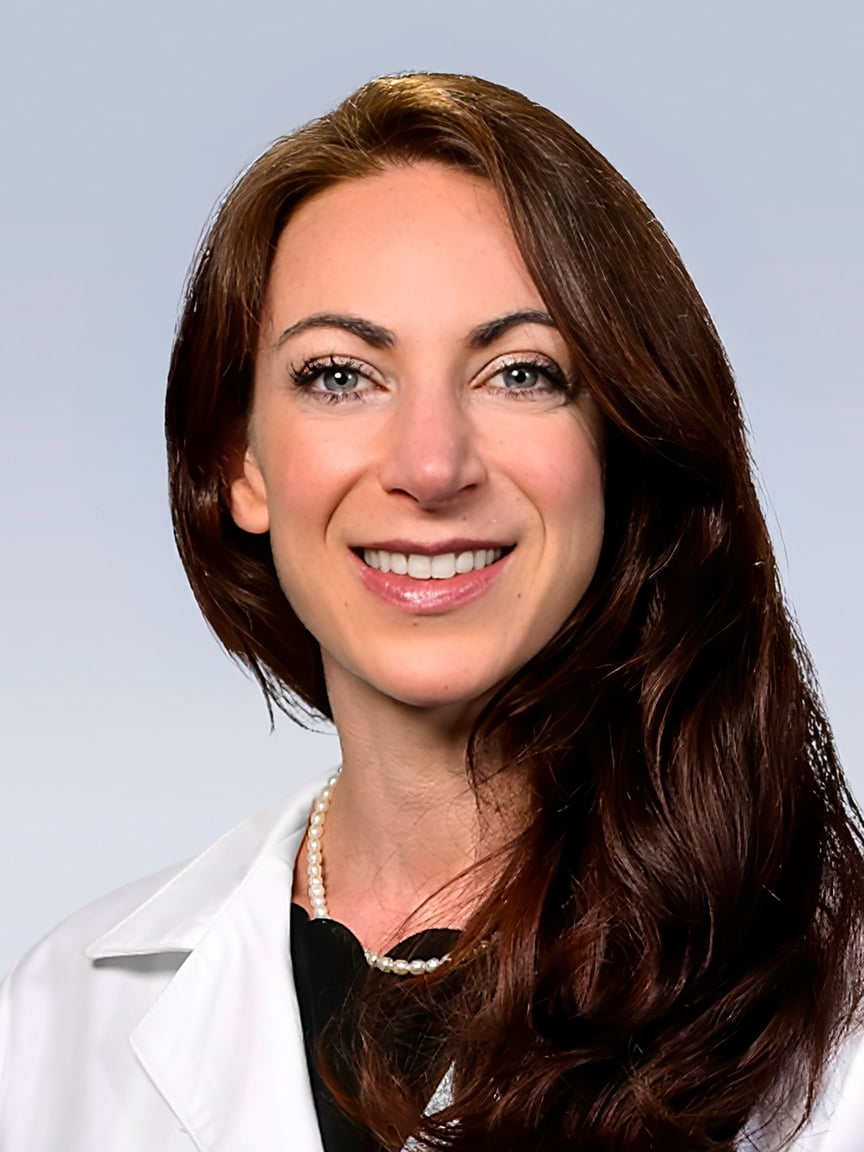
Arielle Bivas, MS, AGPCNP-BC, CARN-AP
Medications for opioid use disorder can greatly improve outcomes, but only if patients can access them. ASAM members have reported that their patients have experienced delays and disruptions when trying to receive prescriptions for buprenorphine. In response, ASAM convened a panel of pharmacists, prescribers, and policy experts to examine the often complex reasons behind these delays and solutions for overcoming them.
ASAM member Arielle Bivas, MS, AGPCNP-BC, CARN-AP, participated in the panel discussion to offer a prescriber’s perspective on this access challenge. She has encountered the problem in her own practice, and it is one of the many reasons she became involved in advocacy and practice management reform through ASAM. She currently serves on the Practice Management and Regulatory Affairs Committee (PMRAC).
In this Q&A, Arielle shares her journey to addiction medicine, advice on improving communication between patients and the care team, and why she advocates to expand patient access to treatment.
Q: How did you arrive at a career in addiction medicine?
Arielle Bivas: I did not originally plan on addiction medicine or being a nurse practitioner. This is a second career for me. I was an artist and have an MFA in studio art. It doesn’t sound related, but being an artist is really about perspective, seeing the big picture, and working with what you have in front of you. That aligns very well with harm reduction, where you meet people where they are and you make do with the resources you have.
In my early 30s, I went back to school to become a nurse practitioner. During my first clinical year I spent time at a health center for the marginally housed in San Francisco’s Tenderloin neighborhood, where I learned about harm reduction and addiction care. I formed a really nice connection with my patients.
Today, I work in telemedicine, providing opioid use disorder (OUD) treatment to patients across Pennsylvania and California. I joined ASAM in 2021.
Q: What led you to join ASAM?
Arielle Bivas: As a nurse practitioner, I began working in chronic pain and addiction managing buprenorphine in 2014. With the CARA Act in 2017, I was able to get my own waiver to prescribe buprenorphine and help expand access for more patients. During that time, I was asking myself, why aren’t more people doing this? Why are clinicians hesitant to prescribe buprenorphine to treat OUD?
Because of that, I wanted to be part of an organization that is working to elevate guidelines for addiction care, train new providers, and advocate to get everyone on the same page about how to treat people with addictions.
Q: You’re now an advocate for improving patient access to medications for opioid use disorder (MOUD). Some members of the care team have reported delays and disruptions in their patients’ ability to receive their MOUD, particularly buprenorphine, as prescribed. How have you seen this issue unfold?
Arielle Bivas: I think this is a frustrating issue for providers because by the time we have written that prescription and sent it to the pharmacy, we’ve already overcome so many other barriers. You’re almost at the finish line of getting that treatment into a patient’s hands, and then something gets in the way. I think that’s what makes people very upset. There’s so much stigma and red tape surrounding something that is safe and straightforward.
Q: As a prescribing clinician, what’s one of the biggest challenges you’ve encountered?
Arielle Bivas: On the prescriber side, we don’t always know if there is an access challenge right away. We really stress to patients that if they have an issue getting their prescribed medication to call us right away. Many times, we don’t know unless the patient lets us know.
I’m not sure if patients across the country are calling in to report these barriers because they often have had very negative experiences with the healthcare system before and may not be eager to stand up for themselves or know that they even can. Not knowing how many of these situations are getting missed is the scary thing for me.
When there are delays in getting medication, a patient may go through withdrawal or return to use, which is terrible for many reasons. One, the overdose risk is very high with the contaminated drug supply. And two, after all the work that went into getting the patient started on MOUD, only to not have them continue their MOUD, is both frustrating and dangerous.
Q: You were a panelist for a recent ASAM-hosted webinar about this topic called Prescription to Patient: Understanding and Improving Access to MOUD. The webinar looked at the major policy changes that are needed to streamline patient access to MOUD, as well as simple actions that treatment professionals can take today.
What advice do you have for members of the care team to strengthen communication across the multidisciplinary team?
Arielle Bivas: One thing we’ve implemented on all our prescriptions is writing a note to the pharmacy team with all the information they might want, including a diagnostic code and our contact information if there are questions. It seems to work relatively well, because pharmacies are at least encouraged to call if there is an issue. Being kind and empathetic when communicating with pharmacies and patients is important. We’re all on the same team trying to do what we believe is safe.
Q: The webinar brought together physicians, advanced practice providers, pharmacists, and policy experts to discuss solutions to this access problem. Why is it important to have all these stakeholders in one place?
Arielle Bivas: In healthcare, we often work in silos. We have no idea what another colleague is experiencing. Solving these barriers will take everyone working together and communicating about what is going on for there to be change. For example, I love collaborating with my pharmacist colleagues, who are some of the smartest people I know. In these settings, we can really benefit from one another’s knowledge.
Q: What resources are available for members of the care team who run into these barriers?
Arielle Bivas: I’m going to plug ASAM Pharmacy Access Issues tracker, where people can report any challenges they encounter with patient access to MOUD. If these issues go unreported, we won’t know the scale to which they are occurring. We need on the ground feedback to understand what policy changes need to happen at a state or national level. ASAM also has other clinician toolkits and patient-facing materials available to navigate these pharmacy access issues.
Q: In addition to your role with PMRAC, you also volunteer with ASAM’s associate member community. What drives you to be involved with ASAM and the larger addiction medicine community?
Arielle Bivas: ASAM’s motto “Treat Addiction, Save Lives,” is absolutely true. We have so much potential to save and change the lives of our patients, their families, and their communities. It’s important to have everyone put their heads together to achieve this goal. Everyone brings different experiences and skills to the table; diversity in perspectives is more effective in finding solutions.
I’m involved in several groups within ASAM, a lot of which are focused on the work of advanced practice providers and associate members and highlighting the work they are doing in this space. I think the more people who are involved in helping individuals with addictions live better lives, the better. It makes us a healthier country and a healthier community.